Primary cardiac angiosarcoma is an endothelial cell tumor. Considering that its manifestations can be misleading misdiagnosis can occur and this combined with the tumor aggressiveness will usually lead to a grim outcome.

Angiosarcoma Involving The Heart Nejm
Cardiac angiosarcomas are a rare group of soft tissue sarcomas characterized by aggressive local growth and early spread.
. First described by doctors in 1934 cardiac angiosarcoma is a rare form of cancer that causes cells inside the blood vessels of. Cardiac angiosarcomas are the most common sarcoma involving the heart see cardiac tumors. Cardiac angiosarcoma is frequently missed due to its incidence and broad-spectrum of clinical symptoms.
Primary cardiac angiosarcoma is a rare malignant cardiac neoplasm with early metastasis and poor prognosis. As benign lesions the clinical presentation of malignant cardiac tumors depends on location and not the histological type. Primary cardiac angiosarcoma AS is extraordinarily rare.
What is Primary Cardiac Angiosarcoma. 1 It typically presents in the right side of the heart and secondarily involves the pericardium. Angiosarcoma is the most common form of malignant cardiac tumour having a tendency to occur in the third to fifth decade of life with a distinct male preponderance.
According to the National Cancer Institute angiosarcoma is a rare cancer that develops in the. The tumour is often silent. Myxoma is the most common primary cardiac tumor while angiosarcoma is the commonest primary malignant tumor.
The majority occur in the right atrium and can infiltrate into neighboring structures and spread distantly 1. 2 It has diverse clinical presentations and histological appearances. DefinitionBackground Information Primary Cardiac Angiosarcoma is an infrequent and aggressive but often rapidly developing tumor of the heart that presents no signs and symptoms in the early stages.
Coordinated action from a multidisciplinary team is required to try to overcome this fatal disease. Cardiac sarcomas are most frequently diagnosed as angiosarcoma. This obstruction may cause symptoms such as swelling of the feet legs ankles andor abdomen and distension of the neck veins.
Please refer to the article on angiosarcomas for a general discussion about this entity. Angiosarcoma originating from the heart although exceptionally rare is the most common cardiac primary malignant tumor. Primary cardiac angiosarcoma is a rare malignant cardiac neoplasm with early metastasis and poor prognosis.
Until further studies can. CT scan revealed a. Angiosarcoma AS is the most common cardiac sarcoma with differentiation and is poorly characterized from a molecular genetic standpoint.
A 20-year-old male patient presented with history of breathlessness and cough since 4 months following which he had two episodes of hemoptysis. In adult autopsy series primary cardiac tumors occur at a frequency of 000010030 of which 25 are malignant14 Cardiac sarcomas comprise approximately 95 of malignant cardiac tumors with AS and undifferentiated sarcoma being the most common subtypes46. X-ray chest showed multiple nodules in the lung parenchyma and cardiomegaly.
Later on it can involve or spread to other parts of the body including the lungs and liver. As there are currently no guidelines or effective therapeutic strategies management of this condition depends on previous experiences of the clinician treating and the. Angiosarcoma is the most common sarcoma with high incidence of metastasis poor prognosis and therapy without consensus 2.
Cardiac angiosarcoma is a rare endothelial cell tumor characterized by an aggressive permeating growth within the surrounding myocardial wall. Most angiosarcomas occur in the right atrium resulting in obstruction of the inflow or outflow of blood. The secondary cardiac tumor can start in other parts of the body and make its way to the heart.
When localized surgery appears to lead to the best outcomes but this can be technically. Nearly 90 of tumors occur in the right atrium as a multicentric mass. Primary pericardial angiosarcoma has a tendency to occur at middle age and appears more frequently in males.
Once cardiac angiosarcoma has progressed enough for symptoms to be present Johns Hopkins Medicine states it means the cancer has spread to other parts of the body which makes treatment challenging. What is cardiac angiosarcoma. It is characterized by an aggressive and permeating growth within the surrounding myocardial wall but can project into or fill the atrial chamber and invade the vena cava and tricuspid valve.
As there are currently no guidelines or effective therapeutic strategies management of this condition depends on previous experiences of the clinician treating and the. Because this is an uncommon disease there is currently no standard treatment approach. It is known as a primary tumor since it first arises in the heart.
Cardiac angiosarcomas are a rare group of soft. Prognosis remains poor owing to several factors including aggressive tumor biology poor response to adjuvant therapy and lack of targeted therapy. Epidemiology They occur slightly more frequently in males.

W8lcfrltmy43km

Cardiac Angiosarcoma The Right Atrium The Tumor Was Approximately 4 Cm Download Scientific Diagram

A Case Of Cardiac Angiosarcoma Presenting As Pericardial Tamponade Heart

Cardiac Angiosarcoma A Diagnostic And Therapeutic Challenge Sciencedirect

Ypv4g Uxjp A M
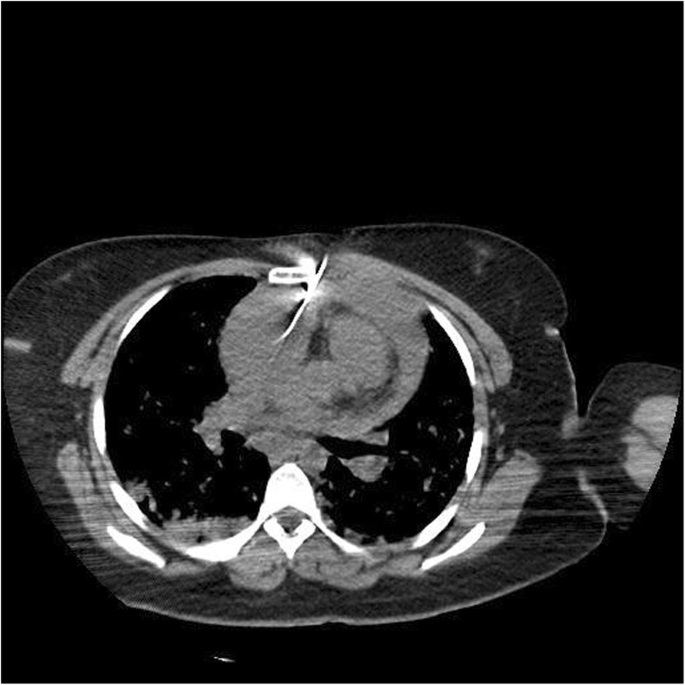
Cardiac Angiosarcoma In A Female Adolescent A Case Report Surgical And Experimental Pathology Full Text
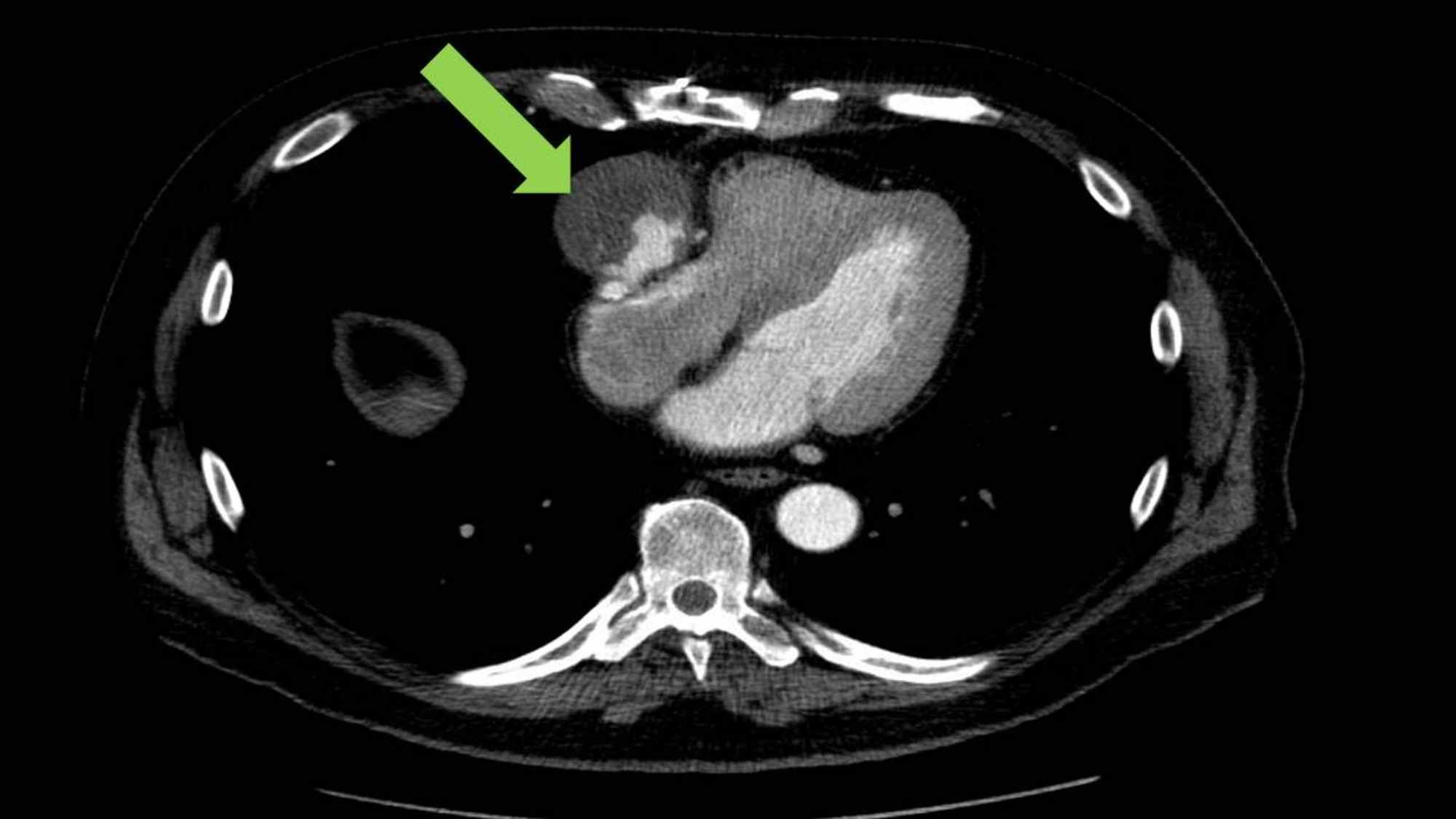
Cureus Cardiac Angiosarcoma From A Saphenous Vein Coronary Artery Bypass Graft
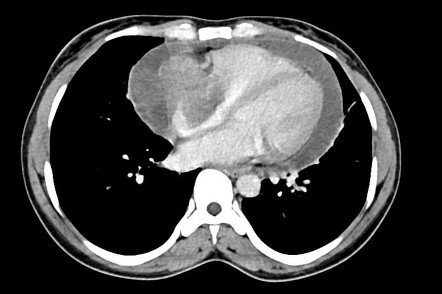
Cardiac Angiosarcoma Radiology Reference Article Radiopaedia Org
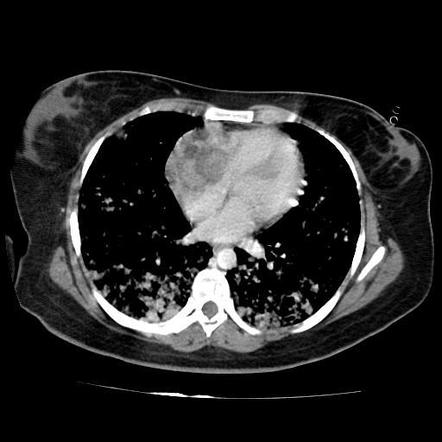
Cardiac Angiosarcoma Radiology Reference Article Radiopaedia Org
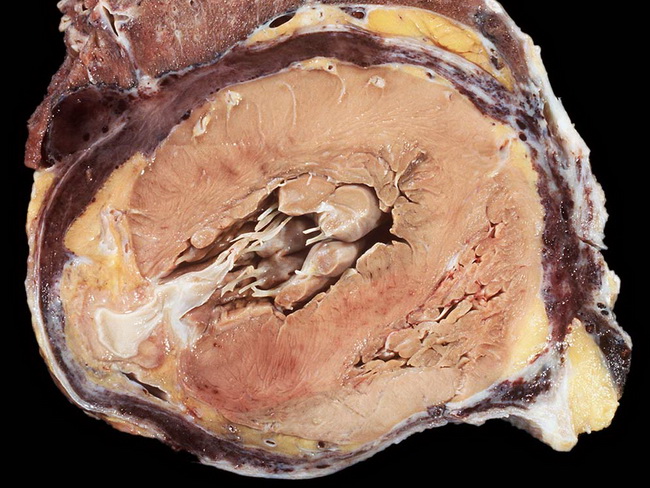
Webpathology Com A Collection Of Surgical Pathology Images

Cardiac Angiosarcoma A Devastating Condition A Intraoperative Download Scientific Diagram

